Foreign direct investment opportunities for electric cooperatives in rural Minnesota

21 Aug 2026
GRE
Foreign direct investment is a significant contributor to Minnesota's economy. Over 1,200 foreign-owned companies operate in the state, employing more than 168,500 people and investing approximately $42 billion in facilities, equipment and operations. These businesses create jobs in manufacturing, technology, logistics, finance and professional services.
While most investment has focused on metropolitan areas, increasing demand for industrial sites, utility capacity, supply chain access and workforce availability is opening new opportunities in rural Minnesota. Many rural communities offer advantages that align with the priorities of international companies seeking long-term growth.
For member-owner cooperatives served by Great River Energy, foreign direct investment offers a chance to attract new employers, boost industrial activity and advance local economic development. Electric cooperatives play a direct role in site readiness, infrastructure planning and business recruitment, all of which influence investment decisions.
To attract foreign direct investment, cooperatives should update and maintain accurate site data, ensuring potential investors have access to current property and infrastructure information. They can also reach out to international business contacts and participate in trade shows or economic development missions to promote rural Minnesota.
Additionally, by collaborating with local governments and economic development partners, cooperatives can develop marketing materials that showcase key assets and successful projects. These steps help establish a strong foundation for attracting and supporting foreign investors.
What is foreign direct investment in Minnesota?
Foreign direct investment, often called FDI, occurs when a company based in one country establishes or acquires business operations in another country. These investments can include manufacturing plants, distribution facilities, research operations, data centers and regional headquarters.
Minnesota has established itself as a leading destination for foreign investment in the Midwest. Companies from more than 30 countries maintain operations throughout the state. Canada, the United Kingdom, Germany and Japan rank among Minnesota's largest international investors.
Recent data indicates that foreign-owned businesses support about 168,500 jobs in Minnesota and have contributed approximately $42 billion in property, facilities and equipment investments.
Many of these investments started with site selection decisions focused on infrastructure, workforce availability, transportation access, utility reliability and long-term operating costs.
Why are international companies investing in Minnesota?
Several factors attract international businesses to Minnesota. Minnesota has a diverse economy with established industries in manufacturing, food production, medical technology, logistics and business services. The state also offers access to major North American markets via highway, rail, air and water transportation networks.
Workforce quality is another key factor. Minnesota consistently ranks among the nation's leaders in educational attainment and labor force participation.
Companies also value reliable utility service, strong infrastructure and effective partnerships among utilities, economic development organizations and local governments.
These factors help international firms reduce risk during expansion and build confidence in long-term operations.
How can electric cooperatives support foreign direct investment?
Electric cooperatives are critical partners in business recruitment and site selection.
Site selectors evaluate utility infrastructure early in the decision-making process. Companies require clear information on electric capacity, reliability, expansion timelines and future service needs.
Member-owner cooperatives can support these discussions by providing the following:
- Available electric capacity information
- Infrastructure planning assistance
- Site readiness evaluations
- Energy usage projections
- Development timelines
- Local economic development partnerships
Great River Energy collaborates with member-owner cooperatives and rural communities across Minnesota to support economic development. This partnership helps communities prepare sites, assess infrastructure needs and respond to business recruitment opportunities.
Local utility partners can provide international investors with valuable insights on operating conditions, workforce availability and development opportunities in rural Minnesota.
Why does rural Minnesota appeal to foreign investors?
Rural communities often compete effectively for projects that require substantial land, utility capacity, transportation access or specialized production facilities.
Many international companies seek locations with room for expansion and predictable operating costs. Rural Minnesota communities often offer larger development sites than metropolitan areas.
Land availability supports industries such as:
- Advanced manufacturing
- Food processing
- Agricultural technology
- Distribution and logistics
- Renewable energy development
- Industrial production
Many communities have invested in industrial parks, site certification programs and infrastructure improvements to reduce project timelines.
As development costs rise in metropolitan areas, rural locations become more attractive to companies seeking efficient expansion opportunities.
What industries create the best foreign direct investment opportunities?
Several industries align well with rural Minnesota's assets and electric cooperative service areas.
Manufacturing investment in rural Minnesota
Manufacturing is the largest recipient of foreign direct investment both nationally and in Minnesota.
International manufacturers often need large sites, reliable electric service, transportation access and workforce availability. Many rural communities already support manufacturing and have infrastructure to accommodate future growth.
Target sectors include:
- Industrial equipment
- Precision manufacturing
- Agricultural equipment
- Packaging production
- Building materials
- Metal fabrication
These operations typically generate long-term employment and significant capital investment.
Food processing investment opportunities
Minnesota's agricultural sector offers strong opportunities for food and beverage companies seeking North American production facilities.
Foreign food processing firms often prioritize proximity to agricultural inputs, transportation networks and utility infrastructure. Rural communities provide direct access to raw materials and help reduce transportation costs.
Food processing investments support farmers, suppliers, transportation providers and local service businesses throughout the region.
Logistics and distribution expansion
Supply chain efficiency is a major consideration for international companies entering U.S. markets.
Minnesota provides access to major interstate highways, rail systems and regional distribution corridors. Rural communities near these assets may attract warehousing, distribution and logistics operations.
These facilities often require significant electrical infrastructure, making utility planning essential to project development.
Advanced agriculture and ag technology growth
Agricultural innovation continues to attract international investment. Companies developing precision agriculture equipment, software, crop technologies and processing solutions often seek locations near agricultural producers and research institutions.
Rural Minnesota offers direct access to agricultural markets and opportunities for collaboration with producers and industry partners.
Medical technology supply chain investment
Minnesota's medical technology sector attracts global attention. While many headquarters and research facilities are near metropolitan areas, suppliers and production facilities are often located in rural communities where land availability and operating costs support expansion.
This trend creates opportunities for communities that support advanced manufacturing and specialized production.
How can communities prepare for foreign investment projects?
Successful business attraction requires preparation before opportunities arise.
Communities that attract investment focus on site readiness and infrastructure planning well before project announcements.
Important preparation steps include:
Maintain current site data
Investors expect accurate information on available sites, utility capacity, zoning, transportation access and development timelines. Communities should regularly update site inventories and development data.
Evaluate utility capacity
Electric service requirements vary by industry. Cooperatives and local partners should assess current infrastructure and identify future expansion needs.
Coordinate economic development efforts
Business attraction is most effective when utilities, local governments, regional organizations and development partners share information and goals. Coordinated responses ensure investors receive consistent and timely information.
Build international awareness
Many foreign companies are not familiar with rural Minnesota communities. Economic development organizations can improve visibility through trade missions, international outreach, industry partnerships and investment-focused marketing.
Cooperatives can support these efforts by joining regional trade delegations, hosting informational webinars for international audiences, partnering with state agencies to connect with foreign investors and developing customized marketing materials or virtual site tours that highlight their service areas.
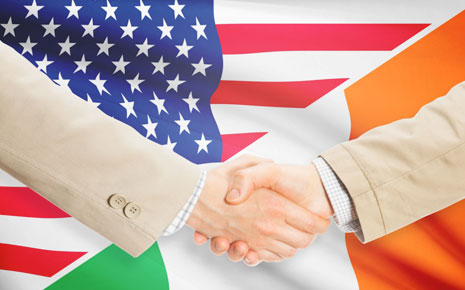
For example, Tom Lambrecht, Manager of Economic Development Services at Great River Energy, joined Greater Mankato Growth on a trade mission to Ireland. This trip provided Minnesota leaders with insight into how Irish firms assess U.S. locations and identified practical ways electric cooperatives can support foreign direct investment.
Cooperatives can also contact international businesses directly through targeted email campaigns or by attending global industry events relevant to rural Minnesota's key sectors.
Foreign direct investment creates new opportunities for rural Minnesota
Foreign direct investment continues to drive economic growth in Minnesota. Existing foreign-owned businesses support thousands of jobs and billions of dollars in investment statewide.
As companies seek locations with available land, reliable electric service, transportation access and workforce availability, rural Minnesota communities are well positioned to compete for new projects.
Member-owner cooperatives play a key role in this effort. Their involvement in infrastructure planning, site readiness and business attraction enables communities to respond to investment opportunities with confidence and accurate information.
In rural Minnesota, foreign direct investment is no longer limited to major metropolitan areas. Communities that prepare sites, coordinate partners and maintain strong infrastructure can position themselves for future investment and long-term economic growth.
Rural cooperatives may face challenges such as limited international visibility, funding constraints for site development and gaps in workforce readiness or infrastructure. Addressing these issues requires proactive strategies, including targeted marketing to foreign audiences, pursuing public and private funding partnerships and investing in workforce training and current site inventories.
By anticipating and addressing these challenges, cooperatives and community leaders can enhance their competitiveness and improve their prospects for attracting foreign investment.
Frequently Asked Questions
What is foreign direct investment?
Foreign direct investment occurs when a company based in one country establishes, acquire or expands business operations in another country through facilities, equipment or other long-term investments.
Why are international companies interested in Minnesota?
Minnesota offers a skilled workforce, reliable infrastructure, transportation access, established industries and strong business support networks that help companies operate efficiently.
How do electric cooperatives support site selection projects?
Electric cooperatives provide information about utility capacity, infrastructure requirements, development timelines and energy needs that companies evaluate during the site selection process.
Which industries offer the greatest foreign direct investment potential in rural Minnesota?
Manufacturing, food processing, logistics, advanced agriculture, renewable energy and medical technology supply chain operations represent strong opportunities for many rural Minnesota communities.
More Topics

Rural Minnesota electric cooperatives support defense industry growth and infrastructure
Jun 11 2026